
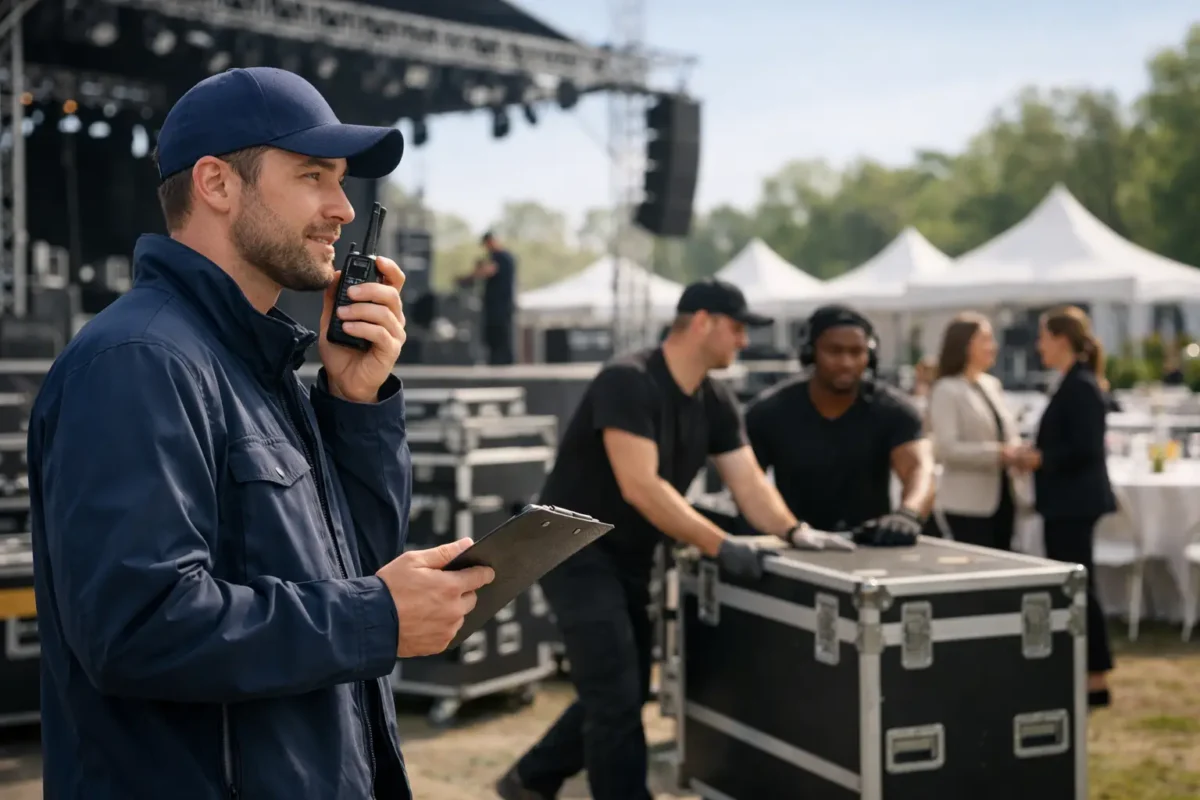
A regional conference can have a compelling agenda, respected speakers and a carefully chosen venue, yet still disappoint if delegates queue at registration, presentation materials arrive late or airport transfers leave people uncertain about where to go. Event logistics services are the operational discipline that protects the attendee experience behind the scenes. For corporate programmes, they turn a plan into a well-timed, credible occasion where people can focus on the business purpose.
For event owners managing demanding stakeholders, logistics are not simply a checklist of deliveries and schedules. They connect venue operations, travel, hospitality, technical set-up, collateral, suppliers and people. The quality of that coordination has a direct effect on how delegates perceive the organisation hosting the event.
What event logistics services cover
The exact scope should reflect the programme. A focused leadership workshop in Singapore needs a different level of coordination from a multi-city incentive programme or a conference for 1,000 delegates. In each case, the practical question is the same: what needs to be in the right place, with the right person, at the right time?
Venue logistics often begin with a detailed understanding of the space. This includes room layouts, access times, loading arrangements, registration positions, catering flow, holding areas and routes between sessions. A floor plan may look straightforward on screen, but it needs to work when delegates arrive with luggage, sponsors need access to their exhibition space and the next session must begin on time.
Delegate logistics cover the journey through the programme. Depending on the event, this may include travel information, airport meet-and-greet arrangements, hotel coordination, coach movements, dietary requirements, VIP hosting and clearly issued joining instructions. The objective is not to over-engineer every interaction. It is to remove avoidable uncertainty at the moments where it matters most.
Materials and supplier coordination are equally central. Name badges, signage, stage elements, printed collateral, delegate packs and exhibition requirements all carry deadlines, quantities and approval points. A capable logistics team keeps these dependencies visible, confirms handovers and builds time for checks before doors open.
Start with the attendee journey, not the supplier list
Many event plans begin with individual requirements: a venue, a registration desk, a shuttle schedule and a printing order. These are necessary, but they do not by themselves show whether the experience will work. A stronger approach maps the attendee journey from the first invitation through to departure.
Consider a delegate travelling from another Asia-Pacific market to a two-day meeting in Singapore. They need clear pre-event communications, arrival details that match their flight timing, a reliable hotel check-in process and confidence about where to report the following morning. At the venue, registration should make sense at a glance. Breaks, meeting rooms and hosted activities should be easy to find without repeated requests for help.
Mapping this journey reveals gaps early. A transfer timetable may suit the majority but leave a group of late arrivals without support. A registration area may be large enough in theory but create congestion when several coaches arrive together. These are not cosmetic details. They influence punctuality, comfort and the first impression of the host organisation.
Build one working version of the plan
A logistics plan becomes difficult when different suppliers, internal teams and stakeholders work from different schedules. There should be one current operating document that brings together key timings, contact details, venue access, delivery windows, responsibilities and escalation routes.
This does not need to be complicated, but it must be maintained with care. Changes to a speaker’s arrival, a revised room set-up or an additional dinner guest can affect transport, catering, signage and staffing. Clear version control prevents the small changes from becoming on-site surprises.
For a large conference or exhibition, a detailed event-day run sheet is essential. It should identify what happens, who owns it, where it occurs and what must be completed beforehand. The value lies in practical clarity: the registration team knows when badge stock arrives, the venue knows when a room is released, and the client knows who can make a decision if conditions change.
Event logistics services need realistic contingency planning
No experienced event owner expects every element to remain unchanged. Flight delays, weather, venue restrictions, late delegate confirmations and last-minute speaker requirements are normal possibilities, particularly for cross-border programmes. The aim is not to promise that nothing will shift. It is to anticipate the scenarios most likely to affect the programme and agree a proportionate response.
Contingency planning works best when it is specific. If an inbound flight is delayed, who receives the update and how long will transport wait? If a breakout room is unavailable, which alternative space can support the required format? If badges need to be reprinted, where are the files, equipment and authorised contacts? Decisions made before event day are generally calmer and more cost-conscious than decisions made under pressure.
There is a balance to strike. A small customer dinner does not need the same contingency framework as an international sales meeting with multiple hotels and a full conference agenda. Over-planning can create unnecessary complexity. Under-planning transfers risk to the client team and the people on site. The appropriate level depends on attendance, destination, programme density, stakeholder expectations and the consequences of disruption.
Cross-border programmes require local awareness
A programme that moves across Singapore, Malaysia, Thailand, Indonesia, the Philippines, Vietnam, Hong Kong, Macau, Korea or Japan carries additional coordination requirements. Travel patterns, venue practices, local supplier lead times and cultural expectations can vary considerably.
A regional event team should account for these differences early rather than treating each destination as a simple change of venue. This may affect transfer planning, guest communications, language requirements, catering arrangements, payment processes or the timing needed for materials to reach the destination. Local knowledge is valuable because it helps teams make practical choices before a schedule becomes fixed.
For corporate groups, consistency still matters. Delegates should recognise the same quality of welcome, information and hosting across locations, even where local execution changes. That requires a central view of the programme alongside attentive coordination on the ground.
The value of an integrated event partner
Logistics can be managed through separate suppliers, particularly for a simple event with an experienced internal owner. However, as programmes involve more stakeholders, the cost of fragmented communication rises. A venue may be ready while the transport provider has not received the latest arrival list. A design decision may affect signage placement, but the operations team may not have been consulted.
An integrated event partner connects those decisions to the wider programme. Strategic objectives remain visible while operational details are managed with discipline. If a budget or timeline changes, the team can offer practical alternatives that protect the attendee experience rather than simply identifying a problem.
This partnership model is particularly helpful for internal teams balancing event delivery with broader responsibilities in marketing, sales, communications or executive support. They need timely updates, clear recommendations and the confidence that agreed actions are being followed through. They do not need to chase multiple parties for a basic status report.
At iCube Events, tailored service teams bring together planning, hospitality, venue coordination and on-site management according to the needs of the programme. The emphasis is on listening closely to the client team, then applying the operational detail required for a focused workshop, a customer dinner, an exhibition or a regional conference tour.
Questions to ask before appointing a logistics team
The right partner should be able to explain not only what they will manage, but how they will work with your team. Ask how responsibilities will be divided, how changes will be communicated and who will be accountable on site. For programmes involving senior leaders or international guests, establish the escalation process before planning is under way.
It is also useful to ask how the team will translate your business goals into operational priorities. A product launch may need strong control of brand presentation and media timings. An incentive programme may place greater weight on travel, hospitality and personalised guest care. An exhibition may depend on exhibitor communication, build schedules and visitor movement. Good logistics follow the purpose of the event rather than applying one standard formula.
Finally, look for evidence of calm, responsive collaboration. Detailed plans are vital, but event delivery also depends on judgement. The best teams know when to protect the agreed process and when to make a considered adjustment that helps the client and their guests.
The most memorable corporate events rarely draw attention to their logistics. Delegates simply feel expected, informed and well looked after. That confidence is earned through thoughtful preparation, clear ownership and a team that treats every operational detail as part of the client relationship.