
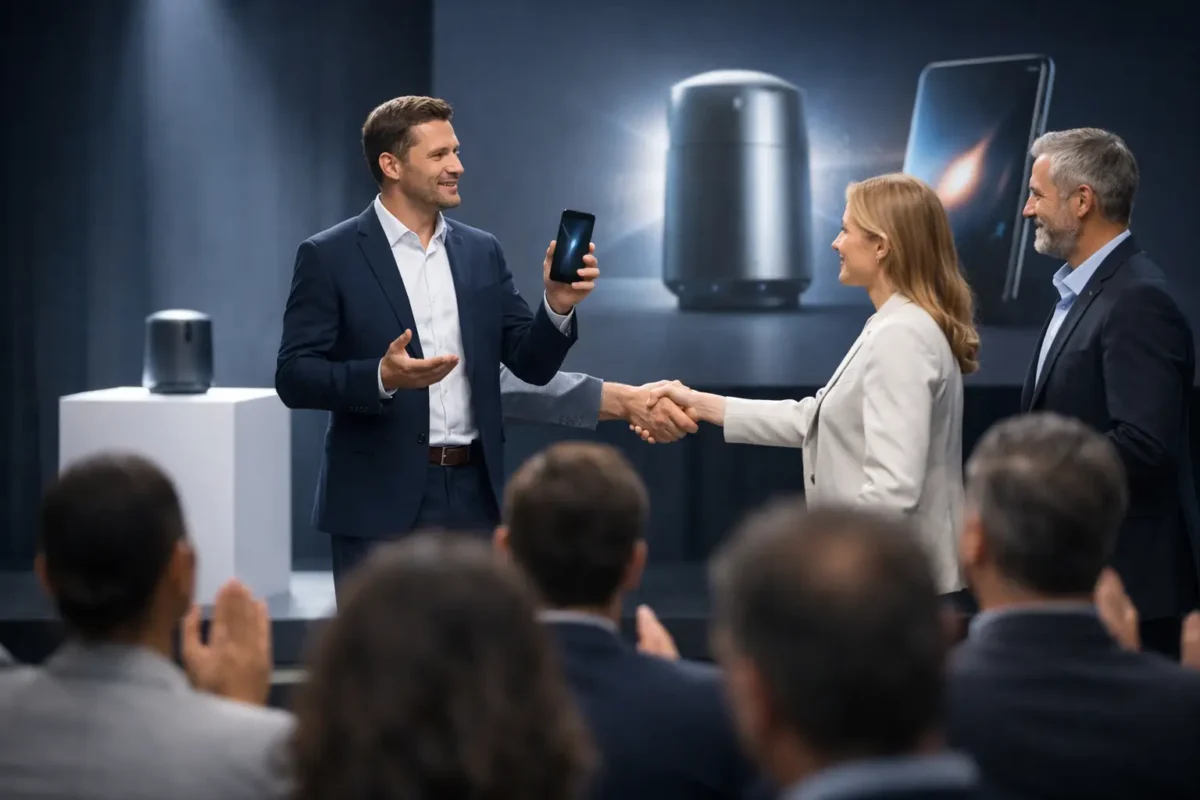
A product launch has a short window in which to make a lasting impression. Delegates will remember whether the proposition was clear, the experience felt considered and the programme gave them a credible reason to believe in what comes next. Product launch event management is therefore not simply about staging an attractive reveal. It is about turning a business milestone into confidence among customers, partners, media, sales teams and internal stakeholders.
For corporate teams in Singapore and across Asia-Pacific, the task often carries added complexity. A launch may need to serve several markets, accommodate senior leaders travelling in, demonstrate a technical solution accurately and create usable content for audiences who are not in the room. The best results come from an event plan built around the commercial purpose first, then delivered with disciplined attention to every guest-facing detail.
Begin With the Decision You Need Guests to Make
Before selecting a venue, developing a theme or discussing stage design, agree on the action the launch should encourage. Is the aim to generate qualified sales conversations, reassure existing customers, equip channel partners, build internal advocacy or establish leadership in a new category? These are related ambitions, but they call for different event formats, messages and measures of success.
A technology launch, for example, may need live demonstrations and access to product experts to address practical buying questions. A life-sciences announcement may require a more controlled setting, clear compliance review and time for informed discussion. A consumer-facing launch may place greater weight on visual impact, media moments and shareable experiences. The format should follow the decision required, rather than a preference for spectacle.
At the outset, bring the right owners into the same conversation: marketing, sales, product, communications, leadership and, where needed, legal or regulatory teams. Four questions can create useful alignment:
- Who matters most in the room, and what do they already know?
- What must they understand, feel or do before they leave?
- What evidence will make the product claim credible?
- How will the business follow up while attention is still high?
These answers form the brief. They also prevent a common problem: an engaging event that attracts positive comments but produces no clear commercial next step.
Product Launch Event Management Starts With Experience Design
An event agenda is more than a running order. It is the route by which an attendee moves from curiosity to understanding and, ideally, to action. Strong product launch event management designs that route deliberately.
The first moments should orient guests quickly. Registration, welcome messaging and pre-show content can establish the problem the product solves before a speaker reaches the stage. The reveal itself needs enough theatre to feel significant, but the substance must arrive soon after. If the audience cannot explain the value proposition in a sentence, the launch has made its job harder.
From there, build in proof. This may take the form of a customer story, a live demonstration, a technical breakout, a comparison of previous and future workflows, or hands-on time with the product. Not every launch needs every component. A senior executive audience may value concise presentations and a private discussion more than a large experiential zone. Conversely, partners and sales teams may need repeated demonstrations, training stations and materials they can use after the event.
The physical environment should support the message rather than compete with it. Sightlines, sound, lighting, screen content, wayfinding, staging and hospitality all shape perception. A polished room cannot compensate for a vague proposition, but poor production can distract from a strong one. This is where close collaboration between brand, content and event teams matters: each decision should make the central story easier to understand.
Plan the Critical Path, Not Just the Event Day
A launch can appear calm to guests only when the work behind it is carefully sequenced. The critical path begins with the immovable elements: announcement dates, leadership availability, product readiness, venue access, content approvals and guest invitation timelines. Once these are understood, the project team can identify dependencies early rather than discovering them during the final week.
A practical plan should cover more than production schedules. It needs clear ownership for invitations and RSVP management, speaker preparation, demonstrations, guest data, registration, transport, catering, collateral, photography and post-event communications. Every workstream affects the guest experience. A delayed speaker deck can affect rehearsals; incomplete attendee data can affect dietary planning and check-in; a product demonstration without a contingency plan can create an avoidable interruption on stage.
Rehearsals are particularly valuable for launches where leaders are presenting new or complex material. They allow presenters to refine timing and transitions, while the technical team checks visuals, audio, lighting cues and demonstration requirements. They also reveal whether the script reflects how customers actually describe their challenges. Where senior schedules make a full rehearsal difficult, a focused technical run-through and detailed speaker briefing are sensible alternatives.
An experienced event partner brings order to these moving parts without adding unnecessary process. At iCube Events, this means assembling resources around the programme’s needs and staying close to client teams as decisions evolve. The objective is not to make a launch feel over-managed. It is to give stakeholders confidence that the important details have an owner.
Build Contingencies That Protect the Brand
Product launches involve variables that cannot all be controlled: a late flight, changing weather, a last-minute executive request, a demonstration issue or a higher-than-expected guest response. Good planning does not assume these issues will occur, but it makes practical provisions so the programme can continue with minimal disruption.
Contingency planning is most effective when it is specific. Have a fallback version of the product demonstration, offline copies of critical presentations and a clear decision-maker for programme changes. Confirm who can approve replacement messaging if an announcement changes. For large guest numbers, plan an arrival flow that can absorb queues without creating an uncomfortable first impression. For VIPs, agree discreet hosting arrangements and escalation points in advance.
Cross-border programmes require an additional layer of local understanding. Venue practices, freight lead times, language needs, cultural expectations and travel arrangements can vary considerably between Singapore, Malaysia, Thailand, Indonesia, Vietnam, Hong Kong, Macau, Korea, Japan and the Philippines. A single event standard should be maintained, while the on-ground execution is adjusted to the destination. This balance is especially important for regional launches, where a consistent brand story must still feel appropriate to each audience.
Give Operations the Same Attention as the Stage
Guests rarely see the event control room, supplier briefings or registration preparation. They do notice when arrivals are confusing, microphones fail, a dietary request is missed or a discussion area is too crowded. Operational details are not separate from the launch experience. They are evidence of how seriously an organisation values its audience.
Clear on-site coordination creates the conditions for presenters and hosts to focus on people rather than logistics. A detailed show flow should identify who is responsible for every cue, handover and guest movement. The event team needs reliable communication channels, a defined command structure and visibility over the full programme, from loading access through to the final departure.
Hospitality deserves the same strategic thinking. Refreshments, seating arrangements and networking periods can be designed to support the commercial objective. If sales leaders need conversations with priority accounts, create enough time and suitable spaces for those discussions. If the aim is community building, encourage interaction through the layout and programme rather than relying on an unstructured drinks reception to do all the work.
Measure More Than Attendance
Registration figures and event-day attendance remain useful indicators, but they do not explain whether a launch changed perceptions or advanced opportunities. The measurement plan should reflect the original objective and account for what can realistically be influenced by the event.
For a lead-generation launch, track the quality of conversations, demonstration requests, meetings booked and progression into the sales pipeline. For a customer launch, consider attendance by account, product interest, feedback from decision-makers and follow-up actions. For internal or partner audiences, assess message comprehension, confidence in communicating the proposition and demand for further enablement.
Capture feedback while the experience is fresh, but combine it with observations from hosts, sales teams and event operations. A guest may rate the venue highly while still leaving uncertain about the product. Equally, a technically demanding session may receive mixed immediate feedback yet create valuable follow-up conversations. Context matters more than a single satisfaction score.
The follow-up should be prepared before doors open. Thank-you communications, presentation assets, demonstration requests, sales outreach and content from the event should arrive while the launch remains relevant. This is where event management connects directly to the wider campaign: the event creates momentum, but the organisation must carry it forward.
A well-managed product launch does not depend on one dramatic moment. It gives the right people a clear story, credible proof and a well-considered reason to continue the conversation. When every operational choice supports that outcome, the event becomes more than an announcement. It becomes a dependable beginning for the market response the product deserves.